Get custom metal and plastic parts tailored to you
CNC Machining Services
Get an instant online quote for your CNC-machined metal or plastic parts, whether you need rapid prototypes or full-scale production.
- High quality CNC Machining Services are available
- Rapid services, your parts can be shipped as fast as 3 days
- Tolerances of ±0.005mm are achievable
Start A CNC Machining Quote
step | stp | stl | igs | iges | obj
All uploads are secure and confidential.
What Is CNC Machining?
CNC machining (Computer Numerical Control machining) is a subtractive manufacturing process in which pre-programmed computer software controls machine tools to remove material from a solid workpiece. CNC machining is widely used to produce high-precision parts with consistent quality, repeatability, and excellent surface finishes. Compared with manual machining, CNC machining offers:
Higher accuracy and repeatability
Greater efficiency for complex parts
Reduced human error
Better scalability from prototype to production
Our CNC Machining services
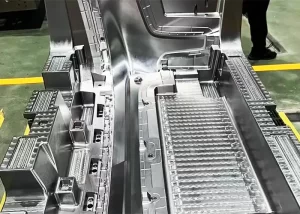
Dongguan Chengyang uses 3-axis, 4-axis and 5-axis CNC milling machines to easily process parts of varying difficulty. At the same time, with the help of CNC lathes, turning centers and turning-milling compound machines, we can process a variety of different plastic, metal and rubber parts.

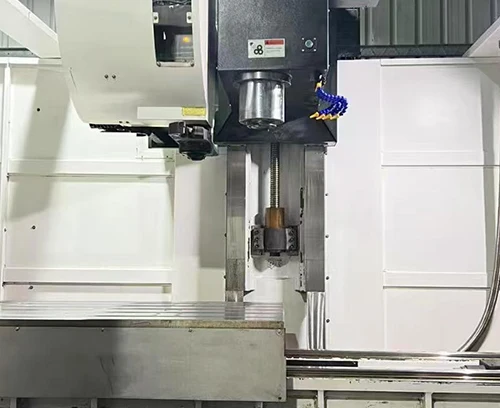
CNC Milling
From fundamental 3-axis machining to complex 5-axis projects, our precision CNC milling brings your designs to life with exceptional accuracy and craftsmanship.
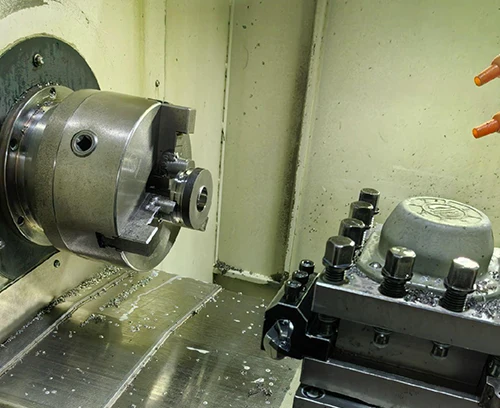
CNC Turnning
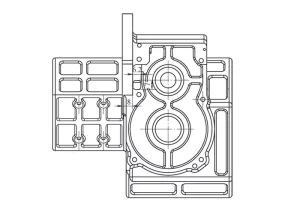
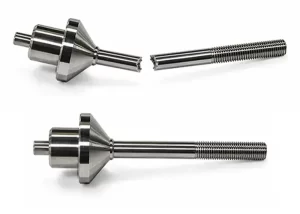
Ensure the production of highly accurate turned parts, no matter how complex the design. Get durable parts featuring flats, radial and axial holes, slots, and grooves.
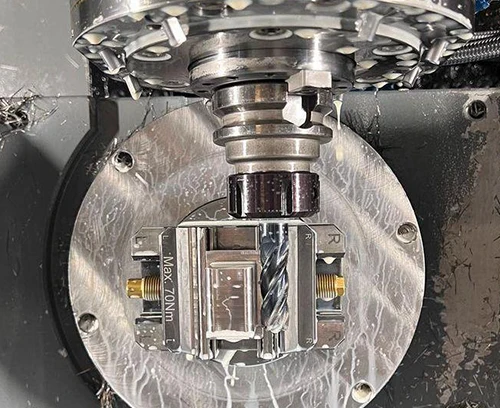
5 Axis CNC Milling
Achieve high precision and exceptional accuracy with our 5-axis CNC machining services, capable of producing intricate parts with extremely complex geometries.
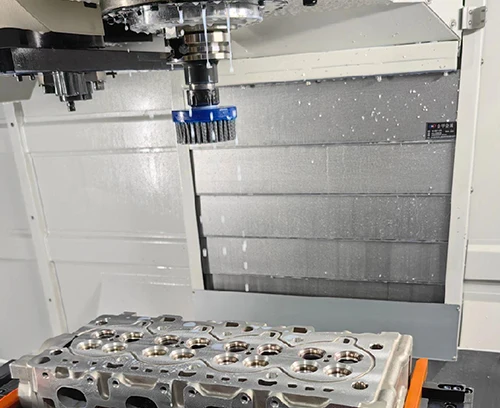
Precision Machining
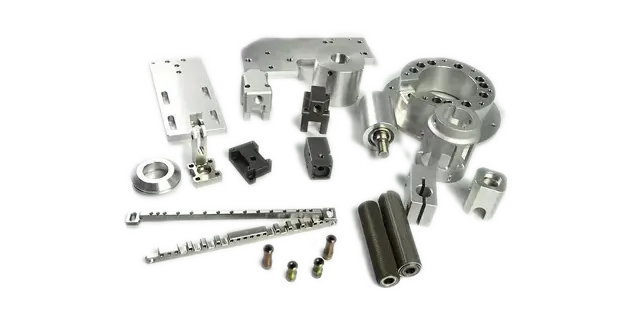
Precision machining utilizes advanced CNC technology to manufacture highly accurate parts essential for industries such as aerospace, medical devices, and electronics.
Capabilities
Maximum Dimensions
2000mm x 1500mm x 800mm or 78.7 x 59 x 31.5 inches.
Minimum Dimensions
Metal: 0.5mm or 0.02 in, Plastic: 1.0mm or 0.04 in
Support Threading
Prefer Metric Threads, Also Support UNC and UNF threads.
Wall Thickness
Generally, a workable minimum wall thickness is 0.5mm for metals and 1.0mm for plastics.
Material Available
Metals: Aluminum, Copper, Brass, Bronze, Stainless Steel, Carbon Steel, Steel Alloy, Titanium, and plastic, etc .
Tolerances
Dimension: Depends on the size and material, generally +/- 0.01mm or 0.0004 inches
Common CNC DFM
Design for Manufacturing (DFM) optimizes a part or product for easier, cost-effective production. By refining the design early, manufacturers can reduce costs and prevent errors.

Sharp Corner

Undercut

Undercut

Thick Walls

Tolerance Guide

Small Hole

Narrow Area
Design Guidelines For CNC machining services
Optimize your designs for manufacturability with our expert guidance and feedback, ensuring superior results in sheet metal fabrication.
Uniform wall thickness: Try to keep the walls of the part as uniform as possible to avoid uneven machining and warping. Ideal wall thickness: Generally between 1–6 mm, depending on the material and part size.
Wall Thickness
Standard CNC tolerance: ±0.1 mm to ±0.5 mm for most parts. If tighter tolerances are needed, ensure your design accounts for it.
Design for manufacturability: Avoid overly tight tolerances unless absolutely necessary to avoid increasing cost and machining time.Tolerances
Avoid sharp corners: Use fillets or radiused edges (minimum radius of 0.5 mm) to help tool paths flow more easily.
Draft angles: For parts with vertical walls, include a 1° to 3° draft angle to ease removal from the CNC machine.Features and Geometries
Avoid deep, narrow cavities: Ensure that tools can access all the areas of the part. Design features with enough clearance for the tool to move freely.
Consider tool sizes: Design parts with tool sizes in mind (e.g., end mills, drills, face mills) to avoid tooling conflicts.Tool Access
Symmetrical designs: Symmetry in your part design helps to reduce setup times and ensures better consistency during machining..
Balanced parts: Ensure that parts are balanced to avoid warping or distortion due to uneven forces during machining.Symmetry and Balance
Design parts with simple, smooth geometries to optimize CNC toolpath planning and reduce machining time.
Avoid unnecessary complexity: Overly complex geometries can increase machining time and cost. Keep designs as simple as possible without sacrificing functionality.Toolpath Efficiency
Use radii and chamfers on edges to help reduce tool wear and improve part finish.
Minimum radius: 0.5 mm for most materials.Radii and Chamfers
Use ribs and gussets to reinforce thin sections of your design. These features help prevent warping and improve the structural integrity of the part.
Ribs should be 50% of the wall thickness and should also have a slight draft angle for easier machining.Reinforcements and Stiffening
Metal Materials
We offer instant quotes for over 100 metals and help compare processing material costs.
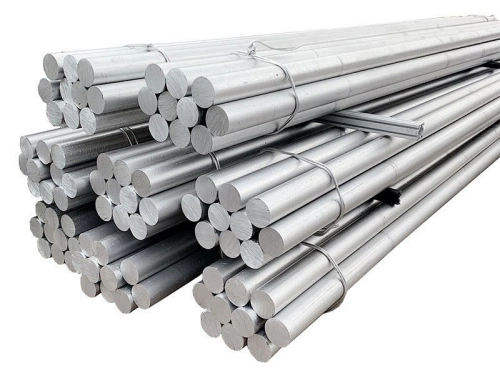
Aluminum
Aluminum, valued for its combination of lightness and strength, offers increased durability without the addition of unnecessary weight. Its remarkable ductility allows for detailed shaping, making it ideal for complex designs.
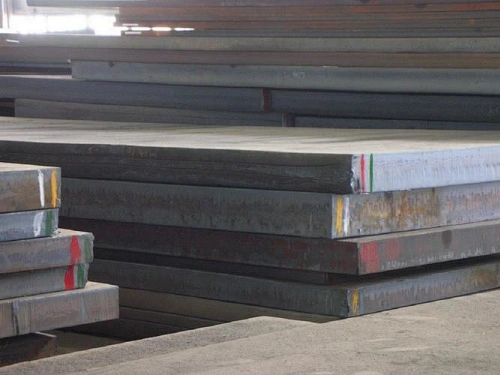
Carbon Steel
Carbon steel is a type of steel with excellent mechanical properties and a wide range of applications. Through reasonable heat treatment processes and corrosion prevention measures, its performance can be further enhanced and its service life extended.
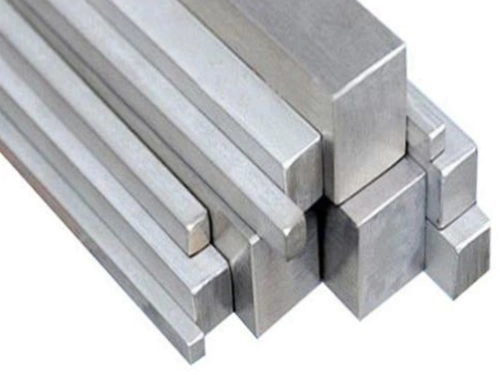
Stainless Steel
Stainless steel, renowned for its enduring quality and resistance to stains, ensures long-lasting use and maintains its appearance, even in harsh conditions.
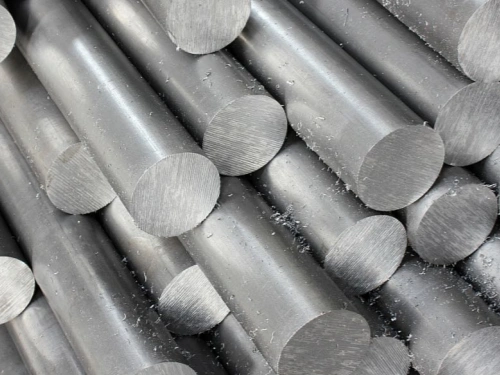
Tool Steel
Tool Steel, or tool steel, is a type of steel primarily used for manufacturing cutting tools, gauges, molds, and wear-resistant tools. It is characterized by its high hardness, ability to maintain hardness and red-hardness at high temperatures, high wear resistance, and adequate toughness.
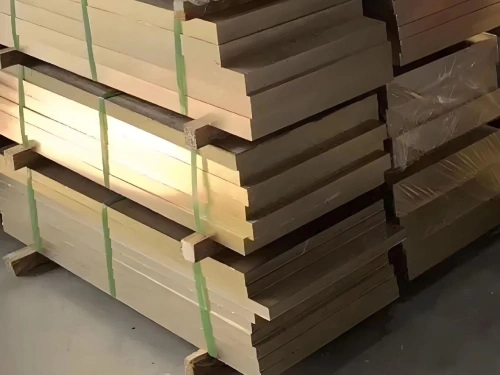
Brass
Long-lasting, unique gold hue, robust, readily workable for intricate parts.
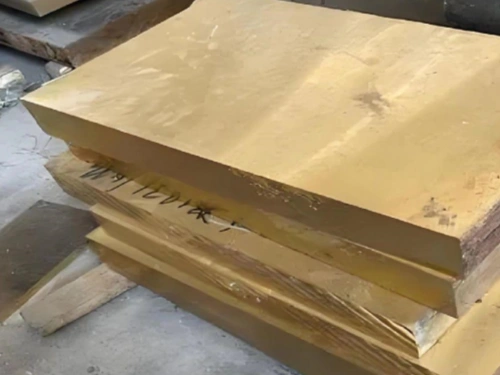
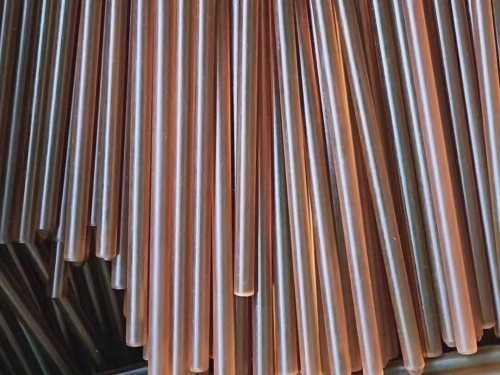
Copper
The advantages of copper are unmistakable: it possesses unparalleled electrical conductivity, high thermal efficiency, and natural corrosion resistance, ensuring long-lasting durability and superior performance across various manufacturing applications.
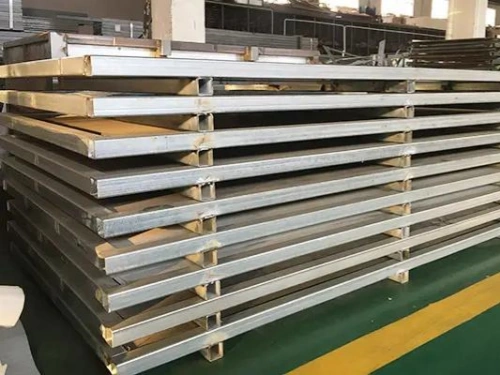
Titanium
High conductivity for both heat and electricity, malleable, resistant to corrosion, ideal for complex shaping and bending processes.
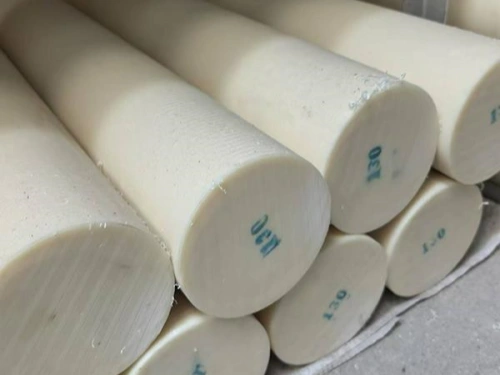
Plastic Materials
We offer instant quotes for over 200 plastics and help compare processing material costs.
ABS
ABS is a copolymer consisting of three monomers: acrylonitrile, butadiene, and styrene. The mix of these monomers gives ABS a distinct set of characteristics, such as high impact strength, satisfactory heat resistance, and outstanding dimensional stability.
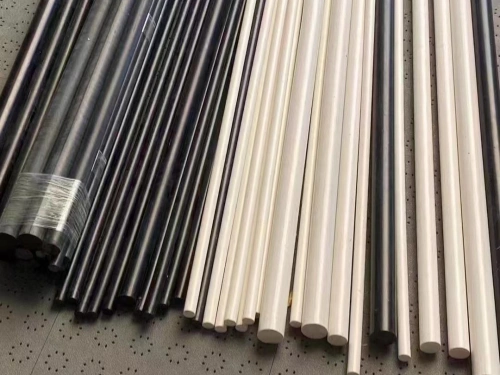
PMMA
PMMA, also referred to as acrylic, is a durable and transparent material that is resistant to UV radiation and weathering. Thanks to its appealing aesthetics, it can be readily colored, molded, and utilized in a wide range of construction applications.
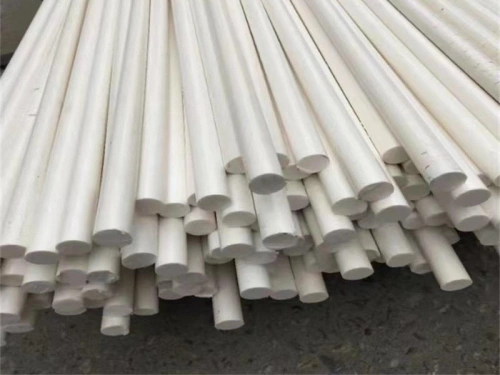
PE
Polyethylene (PE) is a widely utilized thermoplastic polymer renowned for its outstanding properties. This lightweight, resilient, and adaptable material finds extensive application in diverse fields, owing to its ease of processing into various shapes and sizes.
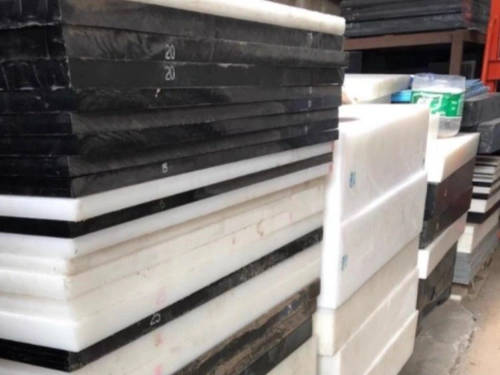
Nylon
During machining, nylon, a synthetic thermoplastic polymer, necessitates careful attention to prevent overheating, as this can result in problems such as melting, distortion, or harm to the material.
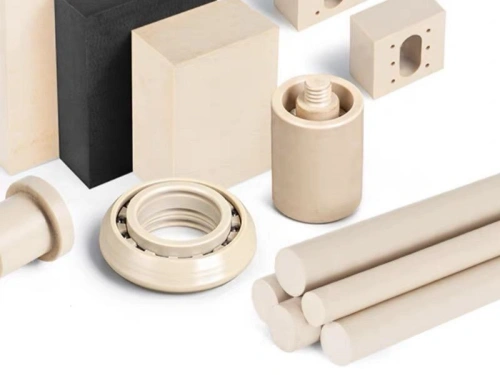
PEEK
PEEK (Polyetheretherketone) is a distinctive engineering plastic renowned for its exceptional qualities, such as resistance to high temperatures, self-lubricating capabilities, ease of fabrication, and superior mechanical strength.
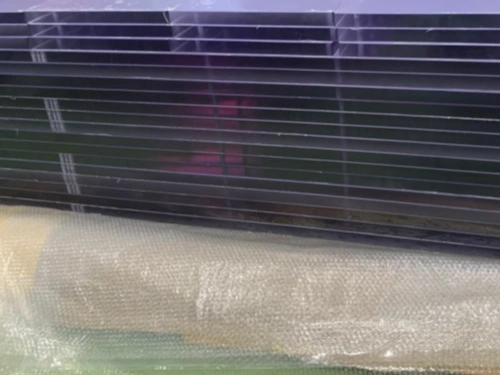
PC
Polycarbonate is a robust and durable plastic that possesses flame-resistant and antioxidant characteristics. It exhibits superior impact resistance, clarity, and mechanical attributes.
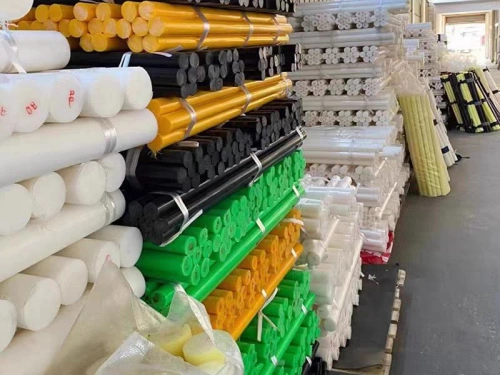
PP
PP (Polypropylene) is noted for its exceptional chemical resistance, a high melting temperature, and its low density. When machining PP with a CNC machine, it is essential to employ a sharp tool with a large rake angle and a slow cutting speed. These precautions ensure that the material does not overheat and melt.
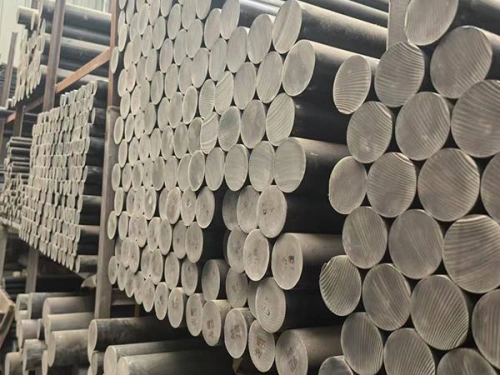
PET
Polyethylene terephthalate (PET), a thermoplastic material, is a suitable choice for CNC milling and turning processes because of its excellent machinability and adaptability. With appropriate tooling and cutting settings, PET can be readily shaped and molded, rendering it perfect for producing prototypes, bespoke components, and containers via CNC machining.
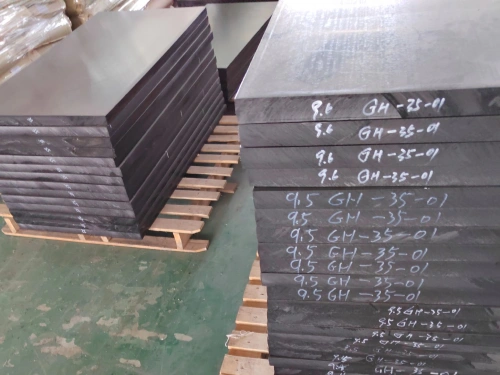
POM
POM(Polyoxymethylene) is a thermoplastic material known for its exceptional stiffness, low friction coefficient, ease of machining, and outstanding dimensional stability. However, working with POM can be difficult because of its high melting temperature and tendency to chip or crack if the cutting parameters are not precisely managed.
PVC
PVC is robust, long-lasting, and resistant to chemicals, weather conditions, and flame. However, machining it can generate hazardous dust and fumes that may pose a risk to workers’ safety. To ensure the safety of workers, it is essential to utilize appropriate safety gear and ventilation during the process.
Surface Finishes
Our experienced professionals specialize in product surface treatment.
| Name | Description | Materials | Color | Texture | More |
|---|---|---|---|---|---|
Brushing |
Brushing is a surface treatment that grinds the workpiece to create decorative lines, enhancing its aesthetic appeal. | Aluminum, Brass, Stainless Steel, Steel, ABS,etc | N/A | Satin | |
Sand Blast |
Sandblasting uses high-speed sand flow to clean and roughen surfaces, ensuring desired cleanliness and texture. | All Metal Materials, Plastic | N/A | Matte | |
Tumbling |
Tumbling smooths surfaces, deburrs edges, and enhances uniformity by rotating materials with abrasive media. | All Materials | N/A | Smooth, Matte | |
Polishing |
Polishing removes imperfections, smooths surfaces, and enhances appearance, creating a shiny, reflective finish. | All Materials | N/A | Smooth | |
Anodizing |
Anodizing enhances aluminum by adding a protective layer for improved corrosion resistance, hardness, and appearance. | Aluminum, Titanium | Clear, Yellow, Green, Blue, Black, etc |
Smooth, matte finish. | |
Painting |
Mount the product on a rotating bracket, secure it on the assembly line, and apply paint evenly. This improves texture but may increase scratch susceptibility. | All Materials | Clear, Yellow, Green, Blue, Black, Multiple | Gloss, semi-gloss, flat, metallic, textured | |
Black Oxide |
Black oxide forms a protective film that enhances corrosion resistance, appearance, and reduces light reflection, ideal for steel and stainless steel. | Steel, Stainless Steel | Black | Smooth, matte | |
Electroplating |
Electroplating enhances function, aesthetics, and corrosion resistance, widely used in industries like automotive for chrome-plated steel parts. | Aluminum, Steel, Stainless Steel | Gold, Silver, Nickel, Copper, Brass, Zinc, Chrome | Smooth, glossy finish | |
Powder Coating |
Powder coating electrostatically applies dry powder to metal, then cures it with heat or UV light for a durable, attractive finish. | Aluminum, Stainless Steel, Steel,etc | Custom | Gloss, matte or semi-gloss | |
Alodine |
An alodine finish forms a thin protective coating on aluminum, preventing corrosion and serving as a paint primer. | Aluminum, Stainess Steel | Clear, Gold | As machined | |
Passivation |
Passivation improves stainless steel's corrosion resistance by immersing it in an acid solution, removing contaminants, and forming a protective oxide layer. | Stainess Steel | N/A | Matte | |
Electroless Plating |
Electroless plating deposits metal onto a substrate through a chemical reaction, creating a uniform, adherent coating without the need for an external electrical current. | Metal, Plastic | Gold, Silver, Nickel, Copper, Brass, Zinc, Chrome | Smooth, glossy finish |
CNC Machining Tolerances and Quality Control
We maintain strict quality standards throughout the CNC machining process. Typical tolerances range from ±0.01 mm to ±0.05 mm, depending on material, geometry, and process requirements.
Incoming material inspection
In-process inspection
Final dimensional inspection
Calibrated measuring equipment

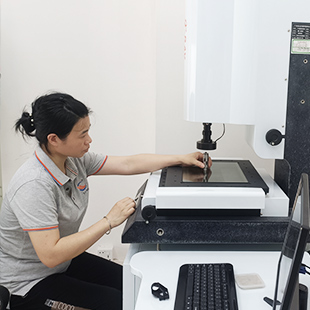
High Performance 2D Image
It generally refers to a 2D digital image optimized for speed, quality, and efficiency in rendering, processing, or display.
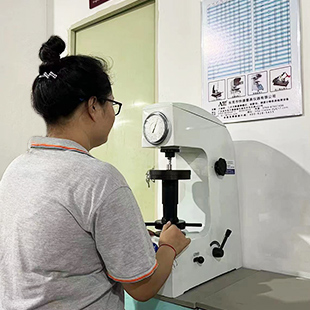
Hardness Tester
Hardness Tester is a device used to measure the hardness of materials, typically metals, plastics, and rubber.
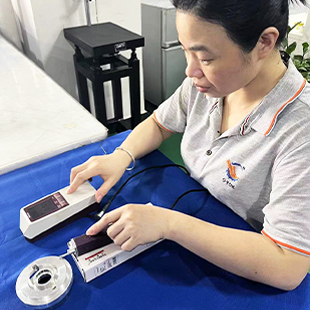
Surface Roughness Tester
It quantifies irregularities and deviations from a perfectly smooth surface, helping to determine manufacturing quality and functional performance.
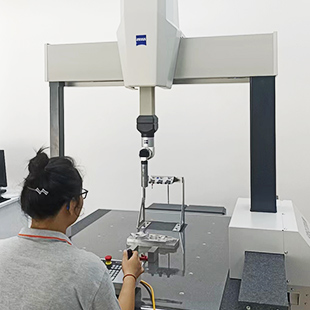
Three Dimensional
Three-Dimensional (3D) refers to objects or spaces that have width, height, and depth, giving them volume and a realistic appearance.
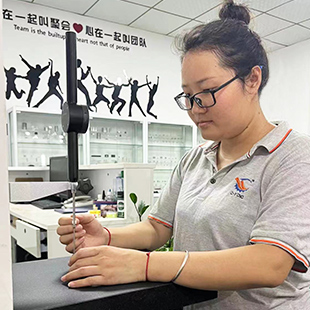
Digital Micrometer
It features a digital display that provides exact readings, eliminating the need to interpret a vernier or dial scale.
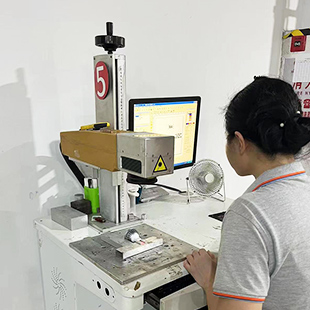
Laser Marking Machine
It is widely used for engraving, etching, and branding in industries like manufacturing, aerospace, medical devices, and electronics.
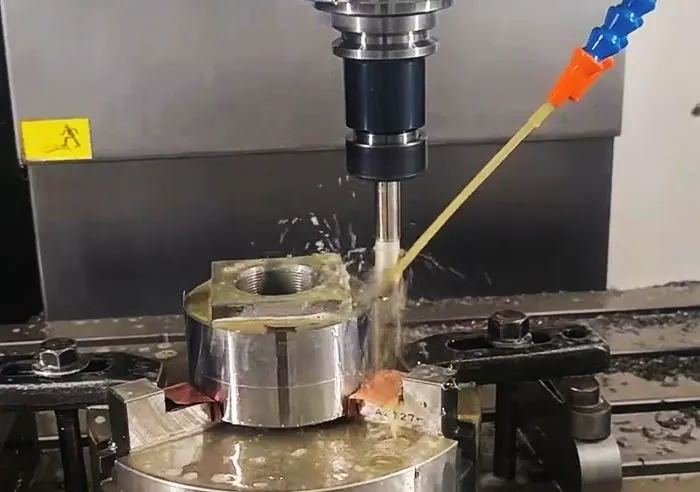
CNC Prototyping and Production Machining
We provide end-to-end CNC prototyping and production machining services, supporting customers from early design validation through reliable,
high-volume manufacturing with consistent quality and fast turnaround.

CNC Prototyping
CNC machining is an excellent choice for rapid prototyping, allowing fast turnaround and high dimensional accuracy. CNC prototypes are often used for functional testing, design verification, and pre-production validation.
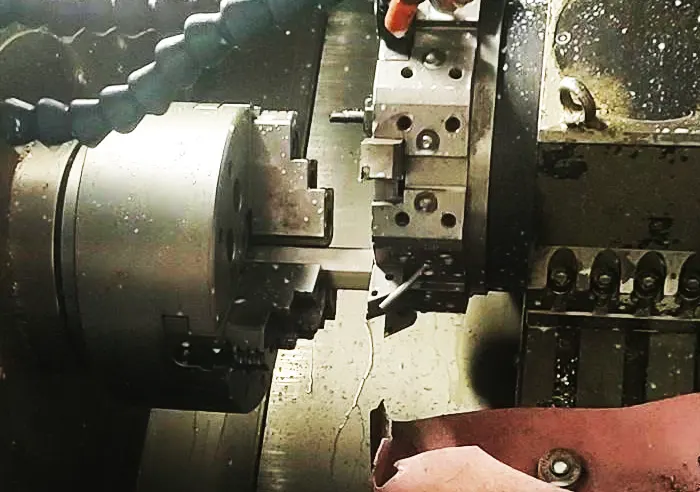
Production CNC Machining
For low- and medium-volume production, CNC machining offers stable quality and flexible scalability. We help customers transition smoothly from prototype to production while maintaining cost efficiency.